

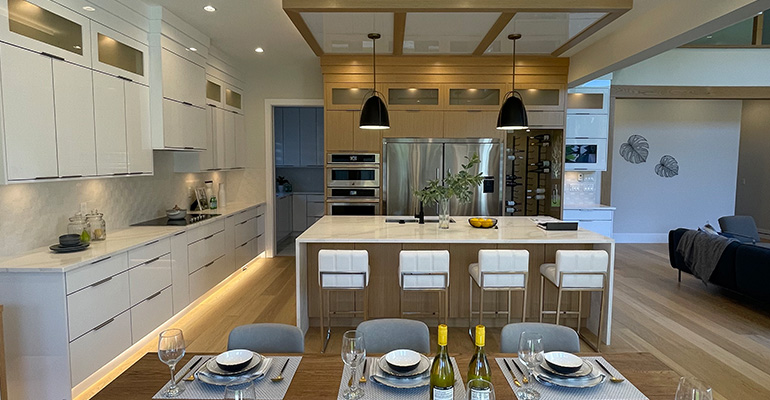
How to Prioritize Your Renovation Budget Room by Room
A renovation budget can disappear quickly when every room needs an update. Rather than investing equally in every space, focus on what each room needs to function well and which decisions would be difficult or expensive to change later.
Kitchens and bathrooms often require more investment in work behind the walls, while living spaces generally offer greater flexibility with visible finishes.
Kitchen Renovation: Prioritize the Work Behind the Finish
A kitchen renovation involves more than cabinets, countertops, and finishes. Plumbing and electrical systems are harder to access once the walls and finished surfaces are in place, so they deserve careful planning.
Start With the Kitchen Layout
Consider the location of sinks, appliances, work areas, and storage before selecting finishes. Planning these elements together helps establish the plumbing and electrical requirements and reduces the risk of costly changes later.
Prioritize Plumbing and Electrical Work
Moving water lines, drainage, or electrical connections after a renovation can involve additional labour and disruption. Address these requirements while the space is open, focusing on the kitchen’s functional needs rather than unnecessary upgrades.
Find Flexibility in Cabinetry
Cabinetry significantly influences a kitchen’s appearance but may offer more flexibility than hidden infrastructure. If the budget needs adjusting, review cabinet selections before reducing investment in essential plumbing or electrical work.
Bathroom Renovation: Protect the Work You Cannot Easily Redo
Bathroom renovations require particular attention to moisture protection and plumbing. Problems with these systems can be expensive to correct once tiles and other finishes are installed.
Make Waterproofing a Priority
Waterproofing is essential for protecting the areas behind and beneath finished surfaces from moisture damage. Correcting problems later may require removing completed work, making this an area where cutting costs can create greater expenses.
Plan Plumbing and Electrical Work Early
The location of fixtures, drains, water connections, lighting, and other electrical requirements should be established during the planning stage. Addressing these needs before installing finishes helps minimize disruption and avoid unnecessary rework.
Balance Finishes With Long-Term Performance
Tiles, fixtures, and decorative selections contribute to the bathroom’s appearance, but they should not take priority over proper waterproofing and essential systems. Finalize these visible choices after the underlying work has been planned and accounted for.
Living Spaces: Give Yourself More Room to Adjust
Living rooms and other general living areas often provide greater budget flexibility because many renovation decisions involve visible finishes rather than concealed systems.
Prioritize Function Before Finishes
Consider the room’s layout, storage requirements, and intended use before selecting decorative elements. Once the functional needs are established, you can make informed decisions about finishes and other design details.
Keep Surface-Level Choices Flexible
Flooring, decorative features, and other interior finishes may be easier to update than plumbing or electrical systems hidden behind walls. If costs need to be adjusted, reviewing these selections can help protect the budget for essential work.
Consider the Long-Term Value of Each Choice
Not every finish needs to be a permanent investment. Choose higher-quality materials where durability matters most, and consider simpler alternatives for elements that can be updated easily as your preferences change.
What Carries Across Every Room?
A few principles can guide renovation budget decisions throughout the home:
- Prioritize work behind finished surfaces, including plumbing, electrical systems, and waterproofing.
- Consider the cost and disruption involved in changing a decision later.
- Keep flexible finishes flexible, allowing room to adjust selections without compromising essential work.
- Look beyond the initial price and consider the labour and disruption that future repairs could involve.
- Match spending to the room’s functional requirements, durability needs, and long-term goals.
A Simple Rule for Renovation Budget Decisions
Before committing to a renovation project expense, ask yourself: If we need to change this later, will we have to open a wall, floor, ceiling, or finished surface?
If the answer is yes, prioritize careful planning while the space is accessible. If the answer is no, you may have more flexibility to adjust the selection according to your budget.
This approach helps you distinguish essential investments from choices that can be revisited later.
FAQs
What should I prioritize in a kitchen renovation?
Prioritize plumbing, electrical work, and the kitchen layout before finalizing finishes. Cabinetry may offer more flexibility when adjusting the budget.
What should I prioritize in a bathroom renovation?
Waterproofing and properly planned plumbing are essential. Electrical requirements should also be considered early to reduce the risk of costly changes after installation.
Are living room renovations easier to adjust?
Many living-space decisions involve surface-level finishes that can be updated without major construction. This often provides more flexibility when managing the budget.
Should I spend more on renovation finishes?
Not necessarily. Consider durability, visual impact, and how easily each finish can be changed later. This helps you allocate funds where they offer the greatest long-term value.
How do I decide where to prioritize my renovation budget?
Focus on the work that would be difficult or expensive to change later, particularly systems hidden behind finished surfaces. Allocate the remaining budget according to your functional needs and design preferences.
Make Every Renovation Decision Count
A successful renovation budget balances essential construction work with design choices that offer flexibility. By prioritizing plumbing, electrical systems, and waterproofing while making thoughtful decisions about finishes, you can invest in the areas that matter most.
Plus Living helps homeowners plan thoughtful renovations that reflect how they want their homes to function and feel, serving Vancouver, Richmond, Burnaby, North Vancouver, and West Vancouver.
Search
Categories
Latest News
Error: No feed found.
Please go to the Instagram Feed settings page to create a feed.