

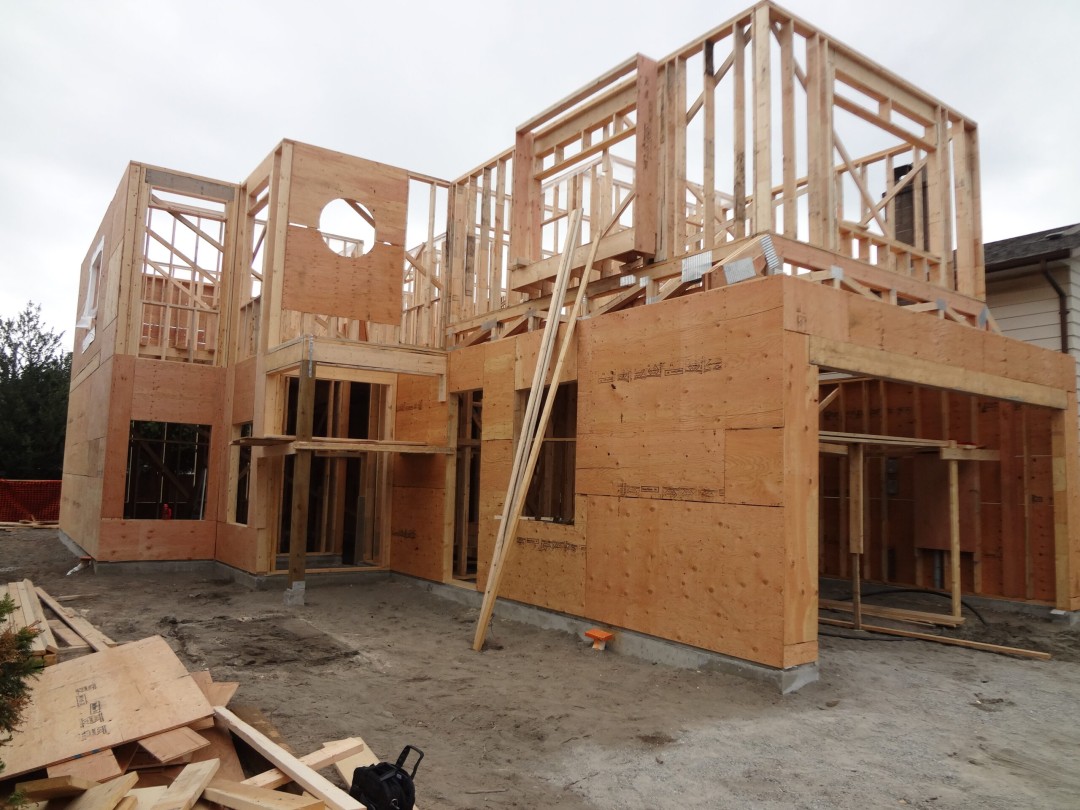
Rough-In Decisions That Can Keep Your Custom Home Flexible
Some of the most valuable decisions in a custom home are made before you can see them. Wiring, conduit, and other behind-the-wall infrastructure may not be as exciting as finishes or fixtures, but they can make future upgrades easier.
A custom home rough-in gives homeowners an opportunity to prepare for future technology, electrical needs, and other changes before the walls are closed. The goal is not to install every possible system today. It is to make practical decisions now that keep options open for the future.
Why Rough-In Planning Matters
Once walls are finished, adding new wiring or pathways can become more complicated and expensive. Work that is relatively straightforward during construction may require opening finished surfaces later.
Future-proofing a custom home is less about predicting exactly which technologies will be popular and more about preparing the house to accommodate change.
A well-planned rough-in can help you:
- Keep future wiring options open
- Reduce the need to disturb finished walls
- Prepare for technology you may add later
- Make future upgrades easier to manage
- Avoid committing to systems you may not need
The key is to identify where flexibility could be useful without adding unnecessary infrastructure or cost.
Think About What You May Need Later
Technology changes quickly. A system that seems current during construction may be upgraded, replaced, or discontinued several years later.
You may not know which devices or platforms you will want in the future, but you can consider where connections and pathways may be useful. Instead of committing to a specific smart-home system, think about what you can prepare now to give yourself more choices later.
This approach focuses on the home’s infrastructure rather than a particular product or technology.
Wiring Is Easier to Plan Before the Walls Close
Electrical and low-voltage wiring are generally easier to install during construction than after a home is finished. While walls and ceilings are accessible, builders can plan wiring routes for communication, entertainment, networking, and other systems.
This does not mean every room needs extra cables. It means identifying locations where future connections may be useful. For example, an office may benefit from a dedicated network cable, while a living room may need connections near the television.
Including these requirements in the custom home wiring plan can help avoid unnecessary disruption if your needs change later.
Keep Future Pathways Open With Conduit
Conduit provides a pathway for cables to be installed or replaced in the future. Rather than deciding exactly which cable or technology you will need years from now, you can prepare suitable routes while the structure is accessible.
For example, conduit running from an appropriate electrical or service location toward the roof may make future solar-related wiring easier to accommodate. Similarly, planned pathways to selected rooms can help with future networking or other low-voltage installations.
The route, size, access points, and suitability of each pathway should be considered during construction. A conduit is only useful if it can accommodate the intended cables and connect the locations that may eventually need them.
Which Decisions Are Hardest to Change Later?
Some infrastructure decisions are easier to make before walls and ceilings are finished. Once those surfaces are closed, adding new connections may require extra labour, repairs, and coordination with other trades.
Consider these examples during the rough-in stage:
- EV-charger rough-in in the garage: If you may own an electric vehicle in the future, discuss a suitable electrical route from the panel to the intended charging location. An electrician can assess capacity, wiring requirements, and whether additional preparation is appropriate.
- Conduit to the roof for future solar: A planned pathway can help accommodate future solar-related wiring without requiring the same level of disruption. The route should suit the home’s design and the anticipated installation.
- Network cable to office and TV locations: Installing suitable network cabling in a home office and near television locations can provide reliable wired connections for computers, streaming equipment, and other devices.
The key question is: If you need this five years from now, how difficult will it be to add?
If the answer involves opening finished surfaces or making substantial changes, discuss whether preparing the route during construction would be worthwhile. Electrical work, equipment capacity, and code requirements should be reviewed with the appropriate professionals before decisions are finalized.
Think Beyond Smart Home Technology
When people hear the term future-ready home, they often think about smart lighting, security systems, automated controls, or connected devices. However, future-ready planning also involves the infrastructure that supports these systems.
Technology platforms and devices may change several times during the life of a home. You may replace equipment, upgrade systems, or switch platforms as your needs evolve. Flexible wiring arrangements and accessible pathways can make these changes easier without requiring major construction work.
Future-ready planning does not require a fully integrated smart home or a commitment to one platform. Preparing suitable infrastructure can provide more flexibility than installing technology you may not need or relying on a system that could become outdated.
Spend Now Where Future Changes Would Be Expensive
Not every possible upgrade needs to be planned for in advance. A more practical approach is to identify where a small investment during construction could prevent a larger expense later.
For example, installing a suitable pathway while walls are open may be simpler than creating one after finishes are complete. The same principle applies to selected wiring routes and connections that would otherwise be difficult to access.
The decision should reflect your likely needs, the cost of preparation, and the difficulty of making changes after construction. This helps you prioritize useful preparations without paying for equipment or systems you may never use.
Keep Your Options Open
Building a custom home gives you the opportunity to plan around your lifestyle, from where you work to how you use your entertainment spaces. Discuss which connections would be useful with your builder before construction progresses.
Good rough-in decisions provide useful options without adding unnecessary complexity. The most appropriate choices depend on your home’s layout, budget, anticipated use, and the requirements of future equipment. Planning these details early can help your home adapt to changing needs without trying to predict every technological development.
FAQs
What is a rough-in in a custom home?
A rough-in is the stage of construction when infrastructure such as electrical wiring, plumbing, and low-voltage cabling is installed before walls and other finished surfaces are completed.
Why is rough-in wiring important for a new home?
Planning wiring during construction can make future additions or changes easier because walls and ceilings are still accessible. It may also reduce the need for disruptive work later.
Does future-proofing mean installing smart-home technology now?
No. Future-proofing can simply mean preparing suitable wiring routes and pathways so that technology or other systems can be added or changed more easily when needed.
Is conduit useful for future upgrades?
Yes, where it is appropriately designed and installed. Conduit can provide a route for future cables, although its usefulness depends on the pathway, capacity, access, and intended application.
Should every possible technology be included during construction?
No. It is usually more practical to identify likely future needs and prepare for upgrades that would be difficult or expensive to accommodate later. Your builder and relevant trades can help assess which preparations make sense.
Build In Flexibility Before You Need It
Technology in a home may change many times over its lifetime, but the walls behind it are harder to modify. Thoughtful rough-in planning helps homeowners prepare for future needs while avoiding unnecessary installations. Plus Living takes a practical approach to custom home design, considering how early construction decisions can support a home’s long-term use.
If you are planning a custom home, talk to Plus Living about making practical rough-in decisions before the walls are closed. Plus Living serves homeowners in Vancouver, Richmond, Burnaby, North Vancouver, and West Vancouver.
Search
Categories
Latest News
Error: No feed found.
Please go to the Instagram Feed settings page to create a feed.